
Everything San Diego Patients Need to Know About Tooth Extractions with Dr. Vaheed Bayette
 Hearing that you need a tooth extraction can naturally cause a bit of anxiety. Many people associate tooth removal with discomfort or stress, but modern dental technology and gentle techniques have made the process smoother, quicker, and far more comfortable than ever before. Removing a severely damaged or compromised tooth is often the single best step toward relieving chronic pain and protecting the long-term health of your entire smile.
When a tooth becomes deeply decayed, fractured beyond repair, or severely crowded, keeping it in place can harm adjacent teeth and surrounding bone. Removing the problematic tooth stops the spread of infection and eliminates painful pressure, paving the way for healthy healing and restorative solutions like dental implants or bridges.
Dr. Vaheed Bayette approaches every tooth extraction with patient comfort and compassion at the forefront. As an experienced dentist in San Diego, Dr. Bayette takes time to explain your options, answer your questions, and ensure you feel completely relaxed throughout your visit. Schedule your tooth removal appointment with Dr. Bayette by calling (619) 901-0708.
Why Choose Dr. Vaheed Bayette for Your Extraction
Choosing the right San Diego dentist for a tooth extraction makes all the difference in your comfort and peace of mind. Dr. Vaheed Bayette, DDS, brings over 20 years of clinical experience, advanced training from the Medical College of Virginia, and a public health background to his practice.
Our Mission Valley office operates as a cozy, boutique-style environment where every patient receives individual attention. We pride ourselves on ethical, honest care. We never push unneeded procedures, and we explain every treatment detail clearly so you can make informed decisions about your oral health.
Common Reasons a Tooth May Need to Be Extracted
While our primary goal is always to preserve your natural teeth whenever possible, certain situations make extraction the healthiest choice for your mouth.
Here are the most common reasons Dr. Bayette may recommend a tooth extraction:
- Severe Tooth Decay: When decay penetrates deep into the inner pulp and root structure, and the tooth cannot be saved by root canal therapy, removal prevents infection from spreading.
- Advanced Gum Disease: Periodontal disease can weaken the bone structure supporting your teeth, causing teeth to become loose and unviable.
- Severe Physical Damage or Fractures: Teeth broken deep below the gumline often cannot support a crown or filling, making removal necessary.
- Overcrowding and Orthodontic Needs: Extractions are sometimes needed to create proper space before clear aligner or traditional brace treatments.
- Impacted or Problematic Wisdom Teeth: Third molars often lack sufficient room to erupt properly, leading to impaction, painful pressure, or damage to neighboring molars.
The Different Types of Tooth Extractions
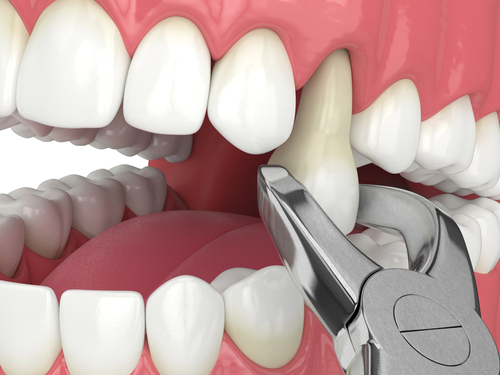 Not all tooth extractions are identical. Depending on the tooth’s location, root shape, and whether it has fully emerged above the gumline, Dr. Vaheed Bayette performs two primary types of extractions:
Simple Extractions
A simple extraction is performed on a tooth that is visible above the gumline and easily accessible. This is the most common type of extraction for teeth damaged by decay, crowding, or severe loosening from gum disease. During a simple extraction, Dr. Bayette numbs the area thoroughly, uses a specialized instrument called an elevator to gently loosen the tooth within its socket, and carefully lifts it out with dental forceps. The process is quick, straightforward, and involves minimal recovery time.
Surgical Extractions
A surgical extraction is required if a tooth has not fully erupted through the gums, has broken off at the gumline, or has complex, curved roots. This procedure is slightly more involved and involves making a tiny incision in the gum tissue to access the tooth. In some cases, a small amount of surrounding bone tissue is removed, or the tooth is gently divided into smaller sections to allow for safe, comfortable removal. Surgical extractions are commonly performed for impacted wisdom teeth or deeply fractured teeth.
Wisdom Tooth Extractions
Wisdom teeth, or third molars, are the final teeth to erupt, usually during late adolescence or early adulthood. Because modern jaws frequently lack room for these extra teeth, wisdom teeth often become impacted, grow at awkward angles, or crowd neighboring molars. Removing problematic wisdom teeth prevents alignment issues, painful cysts, and gum infections behind the back molars.
What to Expect During the Extraction Process
Understanding what happens during a tooth extraction helps ease fear and prepares you for a smooth appointment at our San Diego dental office. Dr. Bayette and his team prioritize your comfort at every step.
Evaluation and Digital X-Rays
Before any procedure begins, Dr. Bayette conducts a comprehensive exam and reviews precise digital X-rays. This helps assess the exact position of the tooth root and plan the safest removal method.
Complete Local Anesthesia and Sedation
Your comfort is guaranteed throughout the treatment. We thoroughly numb the tooth and surrounding gum tissue using local anesthetic. For anxious patients, we also offer dental sedation options, including nitrous oxide and oral sedation, ensuring a peaceful visit.
Gentle Tooth Removal
Once the area is fully numbed, Dr. Bayette uses specialized instruments to carefully widen the tooth socket and rock the tooth gently until it lifts free. You may feel slight pressure during this phase, but you will not feel sharp pain.
Post-Extraction Site Care
After the tooth is removed, a gauze pad is placed over the extraction site to control bleeding and encourage a healthy blood clot to form. Dr. Bayette provides clear instructions before you leave the office.
Essential Recovery Tips for Fast Healing
Proper home care after a tooth extraction ensures quick healing and minimizes the risk of complications such as dry socket. A blood clot forming in the empty socket is a crucial natural bandage that protects exposed bone and nerves.
Follow these simple rules for a smooth recovery:
- Rest and Relax: Plan to rest for the first 24 hours after your extraction. Avoid strenuous exercise or heavy lifting for a few days.
- Keep Pressure on Gauze: Bite gently on the gauze pad for 30 to 45 minutes after leaving our office to help the blood clot stabilize.
- Avoid Straws and Smoking: The suction created by drinking through a straw or smoking can dislodge the blood clot, leading to a painful condition known as dry socket.
- Eat Soft, Nourishing Foods: Stick to easy-to-chew foods like yogurt, applesauce, lukewarm soups, scrambled eggs, and smoothies for the first two days.
- Manage Swelling and Pain: Apply an ice pack to the outside of your cheek in 15-minute intervals during the first day to minimize swelling.
- Maintain Gentle Oral Hygiene: Brush and floss your remaining teeth carefully, avoiding the extraction site directly for the first 24 hours.
Replacing Your Extracted Tooth for a Complete Smile
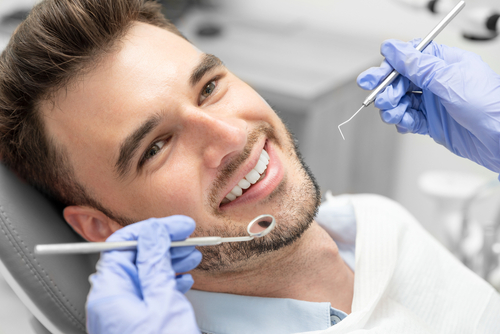 Removing a tooth is often just the first phase of restoring your oral health. Leaving a gap in your dental arch can cause nearby teeth to shift out of alignment over time, altering your bite and affecting chewing function.
Dr. Vaheed Bayette offers several modern replacement options:
- Dental Implants: The gold standard for tooth replacement. Implants replace both the tooth root and crown, providing unmatched stability and preserving jawbone density.
- Custom Dental Bridges: A bridge uses neighboring healthy teeth to anchor a replacement tooth in place, filling the gap seamlessly.
- Partial Dentures: For patients missing multiple teeth, removable partial dentures restore function and appearance affordably.
Dr. Bayette discusses replacement options with you prior to the extraction so you have a clear plan for your smile moving forward.
Frequently Asked Questions
Initial healing usually takes about 7 to 10 days, during which time the gum tissue closes over the socket. Complete bone healing beneath the surface takes a few months. Most patients return to their normal daily activities within 24 to 48 hours after a straightforward tooth removal.
You will not feel pain during the actual extraction procedure because the area is completely numbed with local anesthesia. You may feel mild pressure as the tooth is loosened. After the anesthetic wears off, mild soreness or tenderness is normal, but this can easily be managed with over-the-counter or prescribed medication.
Dry socket occurs when the blood clot that forms in the socket after an extraction is dislodged or dissolves prematurely, exposing underlying bone and nerves. You can avoid dry socket by not using straws, avoiding smoking, refraining from spitting forcefully, and eating soft foods for the first few days following your appointment.
The cost of a tooth extraction varies depending on whether the procedure is a simple extraction or a complex surgical removal. Our San Diego dental office believes in clear financial transparency. We accept all major PPO insurance plans and offer flexible financing through CareCredit to ensure quality care remains affordable.
Schedule Your Tooth Extraction at Our San Diego Dental Office
If you are experiencing severe tooth pain, swelling, or have been told you may need a tooth extracted, do not wait for the problem to worsen. Dr. Vaheed Bayette, DDS, and our caring dental team are here to provide gentle, stress-free care tailored to your needs.
Contact our friendly San Diego dental office today at (619) 901-0708 to schedule your consultation. Let us help you protect your health and restore your smile!